 Welcome to the United Nations

UN DESA Policy Brief No. 184: The erosion of trust: A threat to social progress
Trust is central for societies, the State, and markets to function. It is key to building and maintaining social cohesion, as it promotes cooperation between groups of people as well as between people and the State. Trust is also fundamental to foster international cooperation and achieve the SDGs. However, evidence shows that trust in institutions is in crisis: more than half of the world’s population reports little or no trust in their government. Restoring people’s trust is essential to repair the social fabric, mitigate rising polarization, accelerate social progress and achieve global goals.

UN DESA Policy Brief No. 183: Breaking the cycle: Addressing inequalities in child survival to promote inclusive social development
As the world prepares for the Second World Summit for Social Development in November 2025, profound disparities in child health and survival persist within and among countries, making it difficult for those furthest behind to break out of mutually rein-forcing cycles of poor health, poverty and social exclusion. This policy brief explores disparities in child mortality within and among countries and provides a series of recommendations aimed at ending preventable child deaths and reducing inequalities in child survival in different contexts.

UN DESA Policy Brief No. 182: Leaving No One Behind (LNOB): A Pathway that Delivers
Amid uneven SDG progress and overlapping crises, efforts to deliver sustainable development that leaves no one behind continue to face persistent, intersecting barriers—even where commitments are strong. This policy brief highlights five dimensions where exclusion is often observed—affordability, access, governance, participation and external shocks, among others—and illustrates how governments are responding in each through policy examples and observations.

UN DESA Policy Brief No. 181: The role of supreme audit institutions in leaving no one behind
External audits can help Governments increase effectiveness and efficiency by identifying who is left behind and how, through recommendations in areas such as data systems and capacity-building. External audits can help Governments improve the responsiveness of programmes, services and public finance to the needs and views of all segments of the population through recommendations in areas such as planning and stakeholder engagement.
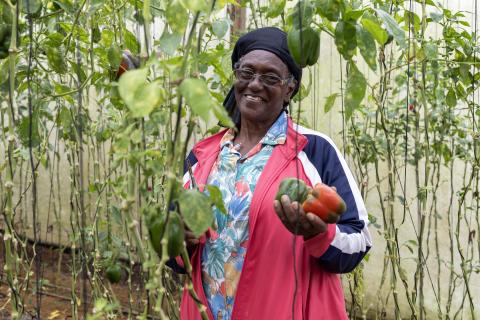
UN DESA Policy Brief No. 180: Anticipating the extent and pace of population ageing in SIDS can help build a more sustainable future in these vulnerable states
Over the next decades, most small island developing States (SIDS) are projected to experience a rapid increase in both the share and the number of people aged 65 years or over. In half of the SIDS, the size of the older population will double between now and 2055. All SIDS, even those with youthful populations today, should embrace forward-looking strategies to capitalize on the opportunities that population ageing will bring, while also addressing the context-specific challenges it may pose.
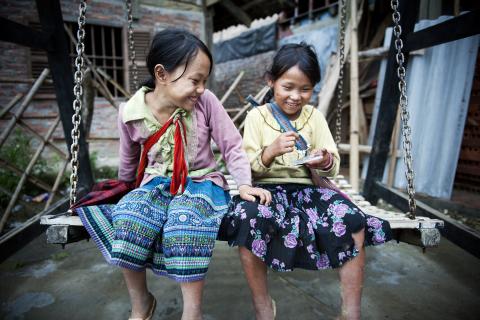
UN DESA Policy Brief No. 179: From the First to the Second World Summit for Social Development: reclaiming a broad vision of social progress
The World Social Report 2025 warns that piecemeal approaches are no match for the scale and interconnectedness of today’s challenges. Rising economic insecurity, persistent inequality, eroding trust, and social fragmentation demand coordinated responses grounded in a shared commitment to equality, social justice, and solidarity. The 2025 World Summit for Social Development offers a chance to reaffirm the Copenhagen Declaration and reapply its principles to current realities, restoring a holistic vision of social progress as the foundation of a more inclusive, resilient, and sustainable future.
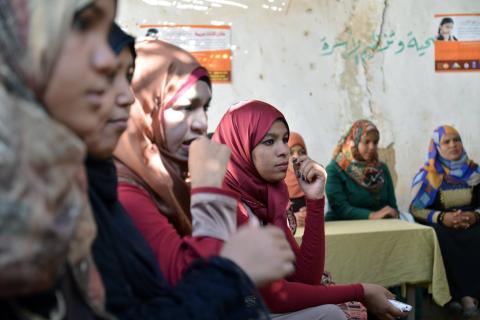
UN DESA Policy Brief No. 178: Assessing group-based inequalities across the life course for a more inclusive world
While there has been progress in promoting opportunities for all since the 1990s, group-based inequalities persist, including during childhood. Gaps between groups are not closing fast enough; the goal of leaving no one behind is likely to remain out of reach by 2030. This brief illustrates how inequality in opportunity between different population groups can be quantified using existing household survey data, drawing on analysis conducted for the 2025 edition of the World Social Report.

UN DESA Policy Brief No. 176: Family-oriented policies and programmes in Voluntary National Reviews (2020-2024)
This brief presents a global analysis of 171 Voluntary National Reviews (2020–2024) from 141 countries addressing core aspects of family well-being by focusing on policies related to: poverty reduction (SDG1), food security and nutrition (SDG2), health and well-being (SDG3), quality education (SDG4), and gender equality (SDG5). It also considers complementary goals that influence the well-being of families, including access to water and sanitation (SDG6), housing, transportation, and inclusive urban development (SDG11), reduced inequalities (SDG10), as well as peaceful and inclusive societies (SDG16).
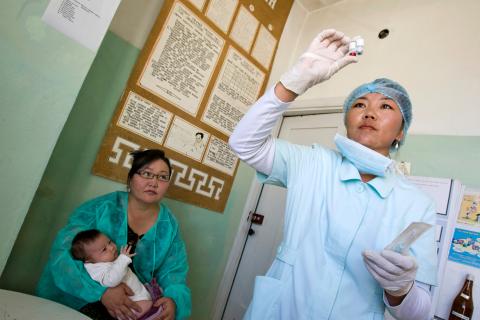
UN DESA Policy Brief No. 173: SDGs as a Framework for Addressing the Root Causes of Crisis
Converging crises have become a defining challenge of our time and have imposed high costs on developing countries. Reducing poverty and inequality and investing in healthcare and social protection are critical to building resilience against the impact of crises. The SDGs provide an effective roadmap to build such resilience capacity.