 Welcome to the United Nations
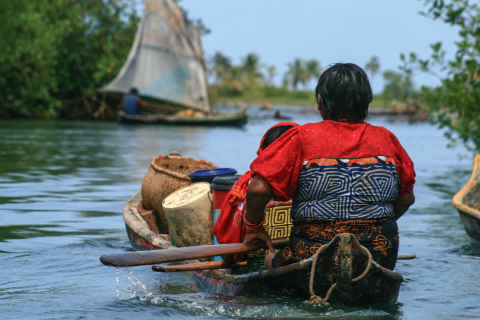
UN/DESA Policy Brief #101: Challenges and Opportunities for Indigenous Peoples’ Sustainability
Indigenous peoples contribute to mitigation and adaptation strategies including successful struggles against deforestation, mineral, oil and gas extraction in their ancestral lands; their fight against further expansion of monocrop plantations; their promotion of sustainable production and consumption systems through traditional knowledge and values of reciprocity with nature.
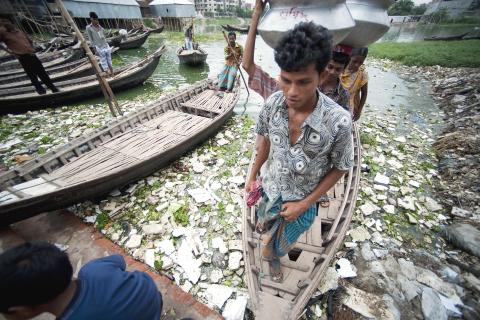
UN/DESA Policy Brief #95: What triggers economic insecurity and who is most at risk?
A full recovery from the pandemic crisis is not possible without addressing economic security and reducing inequality.
This policy brief highlights inequality in the experience of economic security focusing on the risks to livelihoods and the protections against those risks as laid out by the Universal Declaration of Human Rights.
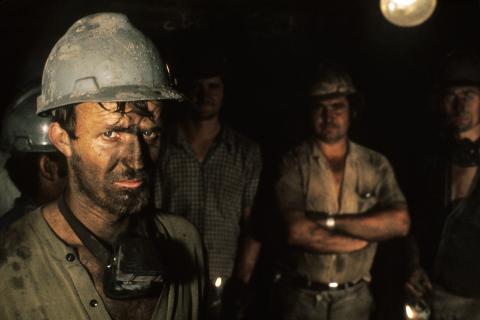
UN/DESA Policy Brief #94: A changing world of work: implications for the social contract
COVID-19 has had a devastating impact on the world
of work, hitting labour markets that were already weak
and fragile.
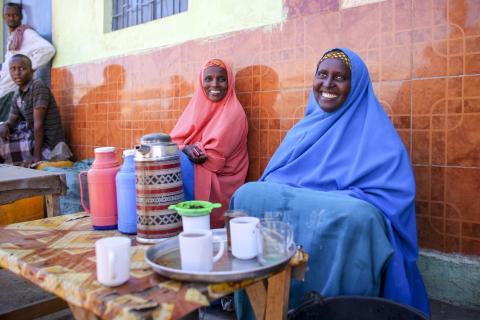
UN/DESA Policy Brief #93: Social policy and social protection measures to build Africa better post-COVID-19
This policy brief reviews the socio-economic impacts of the COVID-19 crisis in Africa and presents the continent’s social protection responses.

UN/DESA Policy Brief #92: Leveraging digital technologies for social inclusion
COVID-19 is accelerating the pace of digital transformation. In so doing, it is opening the opportunities for advancing social progress and fostering social inclusion, while simultaneously exacerbating the risk of increased inequalities and exclusion of those who are not digitally connected.
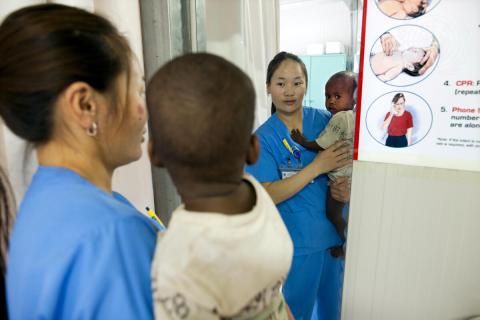
UN/DESA Policy Brief #91: The politics of economic insecurity in the COVID-19 era
The COVID-19 crisis has served as a reminder of the extent of economic insecurity, even in countries and among groups that previously considered themselves secure. This is likely to have profound consequences, threatening countries’ ability to achieve the 2030 Agenda for Sustainable Development and its SDGs.
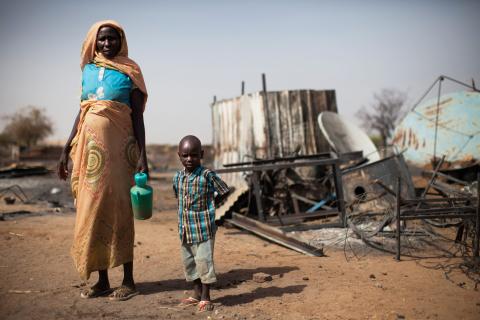
UN/DESA Policy Brief #90: A new global deal must promote economic security
Fears related to economic insecurity are on the rise. Changes in the world of work, together with globalization and technological breakthroughs, have benefited many people but are also putting many others at disadvantage or at risk. These long-standing trends, which have raised aspirations but also fears, are compounded by evolving threats, including those brought about by climate change and the COVID-19 pandemic.
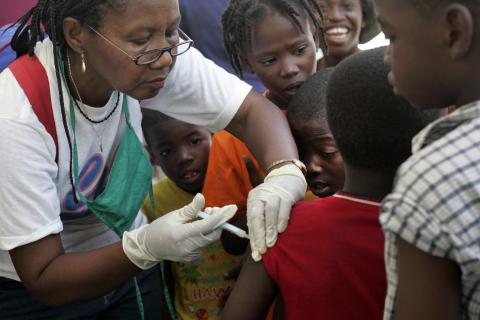
UN/DESA Policy Brief #84: Achieving SDGs in the wake of COVID-19: Scenarios for policymakers
Establishment of robust universal healthcare and social protection systems should be taken as immediate goals, and efforts should be made to build upon the emergency measures taken during the COVID-19 crisis so as to reach these goals.
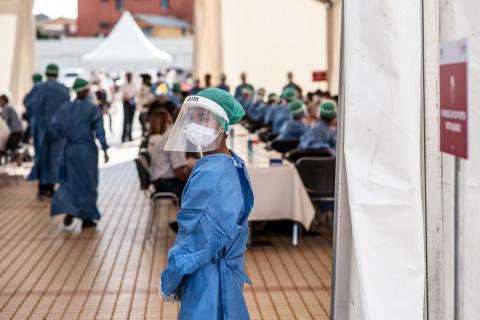
UN/DESA Policy Brief #81: Impact of COVID-19 on SDG progress: a statistical perspective
COVID-19 is having a devastating impact on all 17 Goals and threatening the achievements already made in
many areas. While the virus has impacted everyone, it is the poorest and most vulnerable who are affected
disproportionally by the pandemic.
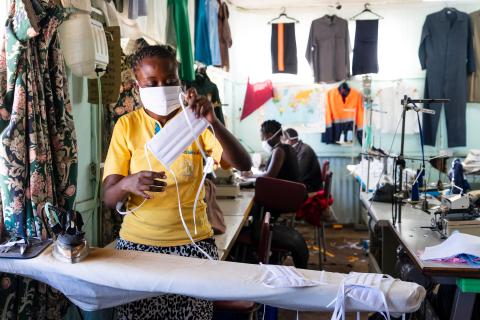
UN/DESA Policy Brief #82: COVID-19 and a primer on shock-responsive social protection systems
Risks of implementing more shockresponsive social protection include overwhelming demand, lack of coordination, poor targeting and negative public perception. These can be partially offset by ensuring universal access to programmes. A country’s available fiscal space and level of debt distress are key contextual factors that determine the feasibility of more shock-responsive social protection.
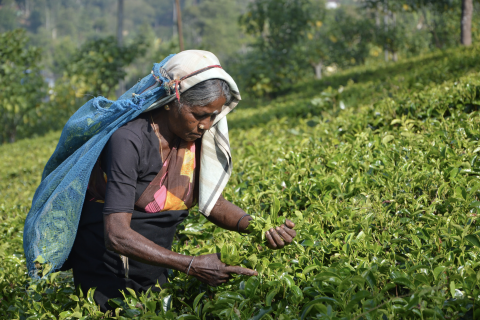
UN/DESA Policy Brief #78: Achieving the SDGs through the COVID-19 response and recovery
The impact of COVID-19 on SDG achievement will only be known with certainty in the months to come, but assessments for 2020 are bleak. If responses are ad hoc, underfunded and without a view to long-term goals, decades of progress stand to be reversed. However, as countries begin to move towards recovery, coherent and comprehensive actions can place the world on a robust trajectory towards achieving sustainable development.
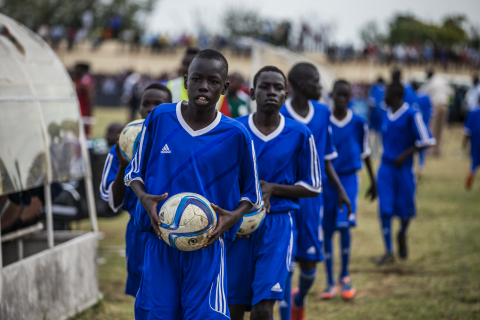
UN/DESA Policy Brief #73: The impact of COVID-19 on sport, physical activity and well-being and its effects on social development
This policy brief highlights the challenges COVID-19 has posed to both the sporting world and to physical activity and well-being, including for marginalized or vulnerable groups. It further provides recommendations for Governments and other stakeholders, as well as for the UN system, to support the safe reopening of sporting events, as well as to support physical activity during the pandemic and beyond.
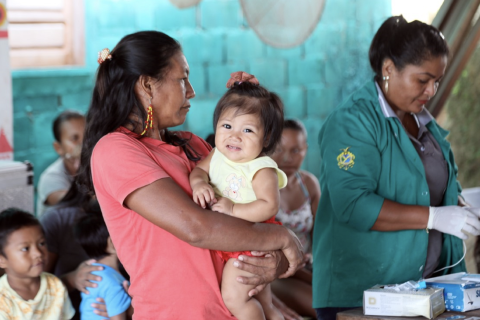
UN/DESA Policy Brief #70: The Impact of COVID-19 on Indigenous Peoples
COVID-19 presents a new threat to the health and survival of indigenous peoples. Indigenous peoples often experience widespread stigma and discrimination in healthcare settings such as stereotyping and a lack of quality in the care provided, thus compromising standards of care and discouraging them from accessing health care.

UN/DESA Policy Brief #69: Leaving no one behind: the COVID-19 crisis through the disability and gender lens
This policy brief highlights the impact of COVID-19 on women and girls with disabilities and provides policy guidance for governments and other stakeholders to adopt inclusive and accessible measures to not only mitigate the adverse impacts of the crisis but build resilient societies.
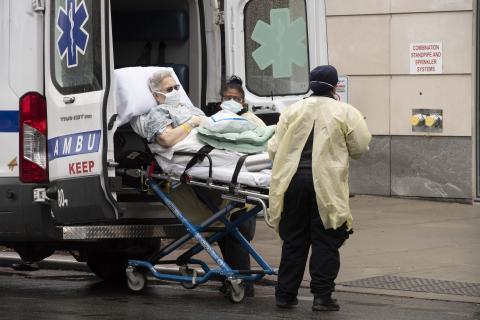
UN/DESA Policy Brief #68: COVID-19 and Older Persons: A Defining Moment for an Informed, Inclusive and Targeted Response
Multiple and intersecting forms of discrimination experienced by older persons are exacerbated during the COVID-19 pandemic and aggravate their vulnerabilities.
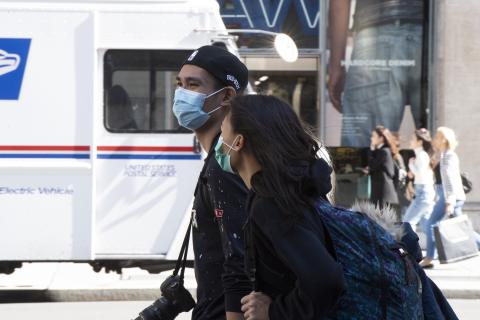
UN/DESA Policy Brief #67: Protecting and mobilizing youth in COVID-19 responses
Young people will form a key element in an inclusive recovery
and the achievement of the Sustainable Development
Goals (SDGs) during this Decade of Action. However,
the response and recovery must be done in a way that
protects the human rights of all youth.
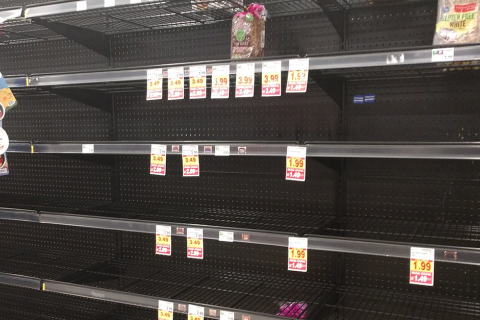
UN/DESA Policy Brief #58: COVID-19: Addressing the social crisis through fiscal stimulus plans
Countries are quickly acting to counter its negative impact on employment and poverty, including through fiscal stimulus plans. Whether these plans will protect the most disadvantaged people and households over the long-term depends on their size, duration and on how measures are implemented.
UN/DESA Policy Brief #53: Reflection on development policy in the 1970s and 1980s
After almost three decades of remarkable progress since the end of the Second World War, economic conditions started to deteriorate in the 1970s. Economic growth slowed down in all parts of the world during the second half of the 1970s and the first half of the 1980s. Before the oil price shock of 1973, the annual growth of world gross product had been at 5.3 per cent, while during the rest of the 1970s, annual world growth reached only 2.8 per cent.
UN/DESA Policy Brief #45: The nexus between climate change and inequalities
Climate change and inequality are two of the most important challenges currently faced by the international community. An extensive review of the evidence in the World Economic and Social Survey 2016: climate change resilience, an opportunity for reducing inequalities suggests that the impacts of climate change and structural inequalities are locked in a vicious cycle. Large inequalities in access to physical and financial assets; unequal access to quality health services, education and employment; and inequality with respect to voice and political representation aggravate the exposure and vulnerability of large population groups to climate hazards. Better understanding of the links between climate change impacts and inequalities will help to improve the design and implementation of policies able to simultaneously address climate change hazards and socioeconomic inequalities.